|
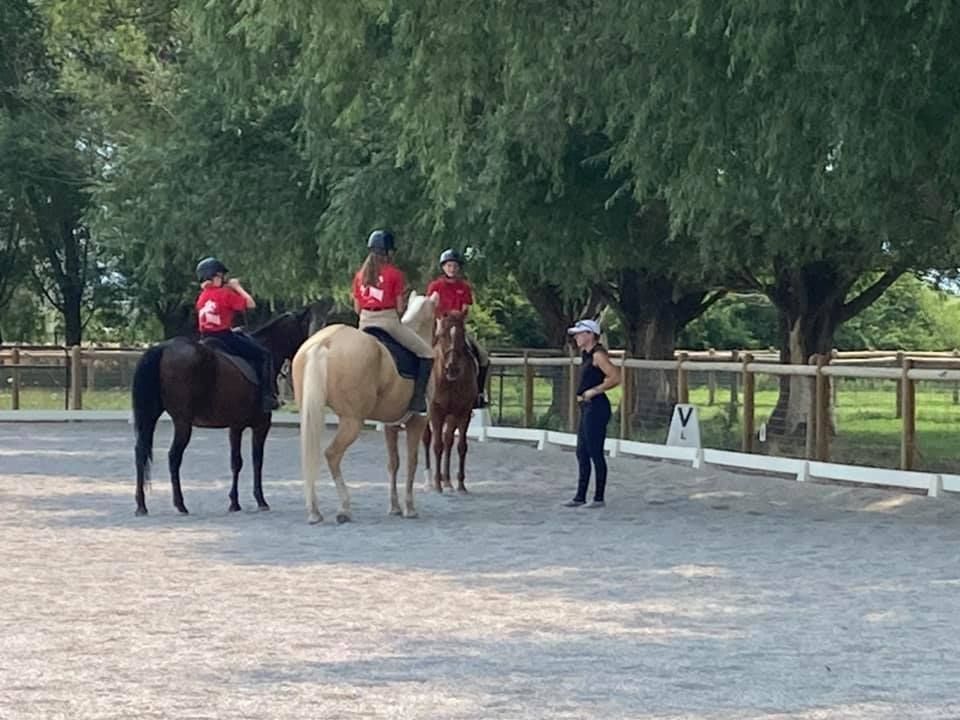
Whether it is a beginner rider coming off the lead for the first time or having their first canter, a more advanced rider delving into lateral work and flying changes, or a jumping rider tackling bigger obstacles, knowing when to challenge a student is both an art and a science. It requires careful observation of their current abilities, enthusiasm for learning, and resilience in the face of difficulty. Ideally, a student should be challenged when they have mastered foundational knowledge and demonstrate readiness for more advanced or complex material. Look for moments when curiosity sparks, when tasks become routine, or when engagement begins to wane—these are signs that a new challenge may reignite motivation and foster growth. However, it is equally crucial to ensure that challenges are tailored to individual strengths and needs, providing enough support to encourage persistence without causing unnecessary frustration.
An instructor can challenge a rider in two ways: by pushing them slightly beyond their comfort zone on a well-trained horse, or by guiding them to teach a new skill to the horse. In the latter case, the rider must be capable enough to support the horse through any tension. Teaching both the rider and horse a new skill simultaneously is ineffective, as neither can guide the other.
Accurately assessing a rider’s abilities is essential, as overestimation can lead to significant risks. Instructors should cultivate a deep understanding of each rider’s strengths and areas for growth, typically achieved through consistent instruction using a range of horses over an extended period.
When the moment arrives, the rider must be thoroughly prepared for what lies ahead. The instructor must watch closely, monitoring both horse and rider as they respond to the new challenge and be ready to adjust their approach—or even halt the attempt entirely—if needed.
Challenging a student is a delicate balance that must always be grounded in safety and attentive care. While the right challenge can inspire growth and unlock potential, it is the responsibility of the instructor to ensure that every step forward is taken with the utmost regard for the well-being of both student, and in the context of riding, the horse as well. By recognizing signs of readiness, responding to individual progress, and maintaining vigilant supervision, instructors create an environment where learning is not only productive but also secure. True advancement happens when confidence, curiosity, and safety go hand in hand, making it possible for both student and teacher to flourish without undue risk. Ultimately, careful guidance and a steadfast commitment to safety are what transform challenges into opportunities for lasting growth.
Jenni Fugate is a team member of The Equine Expert LLC, a multi-discipline equine expert witness and consulting firm offering legal expert witness and consulting services in court cases, legal matters, appraisals and business affairs. Jenni is an expert in Arabians, Teaching, Dressage and Biomechanics. She is a native of Australia and has been working with horses since she was a child. She now lives in Virginia on her farm where she trains and teaches. For more information on Jenni visit www.theequineexpert.com or you may contact Jenni at [email protected]. The opinions expressed are those of Jenni as an expert equestrian, and not that of an attorney.
|